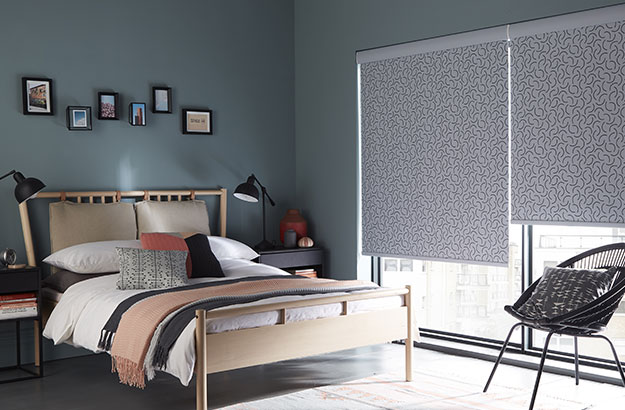
When it comes to making our homes more energy-efficient, many of us immediately think about big changes – insulation upgrades, solar panels, or replacing old boilers. But some of the most effective improvements start with smaller, everyday choices that don’t require major renovation work. One of the easiest and often overlooked changes lies in something many of us already have in our homes: window blinds.
We’ve seen first-hand how the right blinds can make a noticeable difference in our energy bills, comfort levels, and overall environmental impact. They’re not just about privacy or style—they’re a functional part of a home’s thermal performance. Whether you’re looking to keep warm in the winter or cool during those increasingly common heatwaves, blinds can be a surprisingly powerful tool for improving your home’s energy efficiency.
The Role of Blinds in Reducing Heat Loss
During the colder months, windows are one of the main culprits when it comes to heat loss. Even double-glazed units can allow warmth to escape, especially in older homes. What we’ve found works particularly well is using thermal or insulated blinds. These types of blinds are designed with a thicker lining or honeycomb structure that traps heat inside, acting like an extra barrier between the warm room air and the cold glass.
Closing blinds at dusk can help retain warmth overnight, meaning the heating system doesn’t have to work as hard. We often recommend this small change to our customers—it’s a habit that requires no cost and can improve energy efficiency over time. According to the Energy Saving Trust, up to 18% of a home’s heat loss occurs through windows, so insulating them properly makes a tangible difference.
Blinds for Solar Gain and Summer Cooling
In the summer, blinds also play an essential role in keeping indoor spaces cooler. Sunlight streaming through glass can quickly raise the temperature of a room, especially those with south-facing windows. By choosing blinds that reflect light—such as those with a reflective or light-coloured backing—you can minimise solar gain and reduce the need for fans or air conditioning.
We’ve had positive experiences using Venetian and vertical blinds with adjustable slats in these situations, as they let us control the amount and angle of light coming in throughout the day. This means we can keep the room bright without it becoming uncomfortably warm. During peak heat hours, keeping blinds closed or angled upwards can dramatically lower indoor temperatures, reducing the demand on electric cooling systems.
Material Matters: Sustainable and Recyclable Options
Another aspect of energy-efficient living involves the materials we bring into our homes. More of our customers are now asking about sustainable blind options, and we’re pleased to say there are increasingly more eco-friendly materials available.
Motorised Blinds and Smart Home Integration
We’ve seen growing interest in motorised blinds, especially in newer homes or among customers investing in smart home technology. While they might seem like a luxury at first, motorised blinds can be programmed to open and close based on the time of day or room temperature. This ensures your home benefits from passive heating or cooling without having to lift a finger.
For example, in winter, blinds can automatically open during sunny hours to let in natural warmth, then close in the evening to trap that heat inside. In summer, they can shut during the hottest part of the day to maintain a cooler environment. These adjustments might seem minor, but over time they lead to energy savings and increased comfort.
Blinds vs Curtains: Which Is More Efficient?
We’re often asked whether blinds or curtains are better for energy efficiency. The truth is, it depends on the material, installation, and how they’re used. However, in many cases, blinds offer more precise control over light and heat. Because they fit closer to the window frame, they tend to trap less dust and air, creating a tighter seal against temperature fluctuations.
That said, we sometimes recommend layering blinds with curtains for even better insulation. A thermal roller blind combined with a heavy curtain can be very effective during winter, especially in rooms with large or draughty windows. It’s about using what works best for your particular space and needs.
Proper Fit Makes a Difference
One of the most important aspects of improving energy efficiency with blinds is ensuring they fit properly. Gaps around the edges allow air to circulate and reduce the effectiveness of even the best thermal materials. We always advise a professional measuring and fitting service, which we provide ourselves, to make sure the blinds sit flush to the window and function as intended.
This is particularly true for skylights and bay windows, which can be tricky to cover effectively. In these cases, our perfect fit blinds offer a far superior result compared to off-the-shelf options. It’s a worthwhile investment that pays back in both energy savings and improved comfort.
Maintenance for Longevity and Efficiency
Like any part of the home, blinds work best when they’re properly looked after. Dust and grime can build up on the slats or fabric, which not only affects appearance but can reduce their insulating properties. We recommend giving them a gentle clean every few weeks to maintain both their look and performance.
We also encourage checking the mechanisms regularly, especially with motorised or tension-operated systems, as damaged or poorly functioning blinds won’t close properly, reducing their effectiveness. Keeping your blinds in good condition ensures you continue to enjoy their energy-saving benefits over the long term.