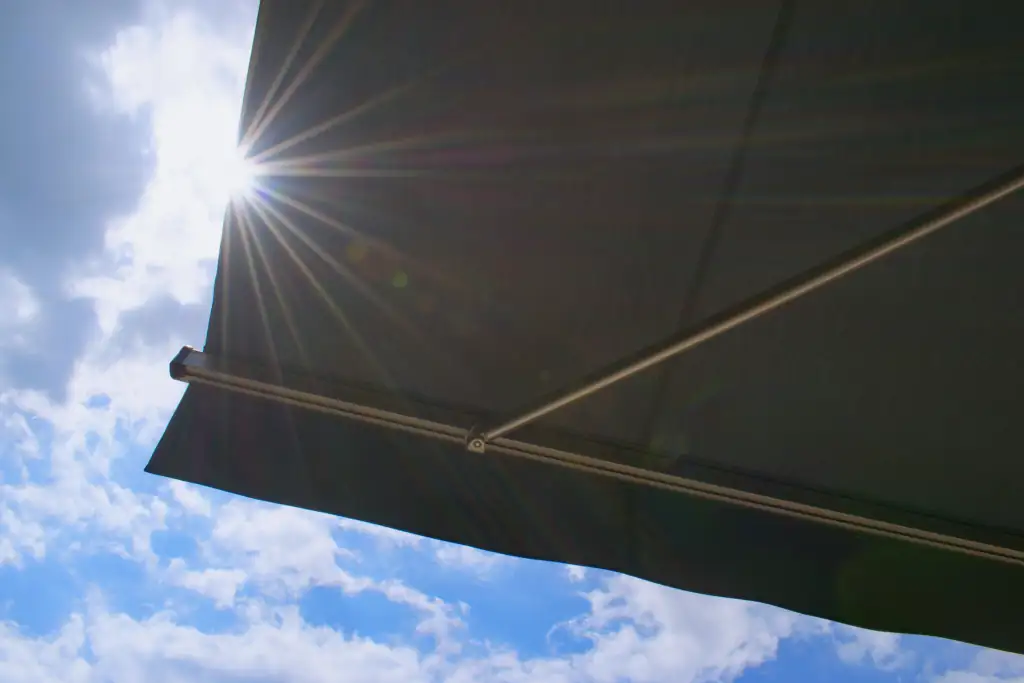
The right blinds and awnings can make a big difference to how cool and comfortable your home feels in summer, especially in sun‑exposed rooms. This article explains how they work, which types to choose, and how to use them for maximum impact.
Why does your home overheat in summer?
When the sun hits your windows, a lot of that heat comes straight into your rooms, especially through large south‑ and west‑facing glass. Glass lets in short‑wave solar radiation, which then turns into heat and gets trapped, creating a greenhouse effect. Poor shading, dark surfaces and a lack of ventilation all add to the problem, making living rooms, conservatories and bedrooms uncomfortably warm on hot days.
How blinds and awnings help keep rooms cool
Blinds and awnings act as a barrier between the sun and your interior. By blocking or reflecting direct sunlight before it floods the room, they reduce solar gain and slow down how quickly the space heats up. Light‑coloured or reflective materials are particularly effective, as they bounce heat away rather than absorbing it. Combined with sensible ventilation (opening windows at cooler times of day), they can keep temperatures lower without relying as much on fans or air conditioning.
Best types of blinds for keeping cool
Some styles are naturally better at summer cooling than others:
- Roller blinds: Simple and effective, especially with thermal or reflective backings that help bounce heat away from the glass.
- Venetian blinds (wooden or aluminium): Let you precisely angle slats to cut glare and direct sun while still allowing light in and air to flow.
- Vertical blinds: Great for large patio doors and wide windows, allowing you to tilt the louvres to block harsh sun at different times of day.
- Day & night / double roller blinds: Combine a sheer and a dim‑out fabric so you can soften strong daylight without making rooms feel dark.
- Blackout blinds: Ideal for bedrooms, blocking light and helping rooms stay cooler in the evenings and overnight when drawn before peak heat.
For maximum cooling, choose light or neutral colours on the window‑facing side and fabrics designed to reduce glare and solar gain.
How external awnings boost cooling
Awnings are one of the most effective ways to keep heat out because they stop direct sunlight before it even touches the glass. By shading the outside of windows, patio doors or a conservatory roof, they significantly cut down the amount of heat that enters your home. They also create a cool, shaded outdoor area where you can sit comfortably at the hottest times of the day, effectively extending your living space.
Retractable awnings give you flexibility: extend them when the sun is strong, then retract them in the evening or on cooler days. This means you keep natural light when you want it, but still have strong protection during heatwaves. For south and west facing elevations, an awning combined with indoor blinds is a powerful way to control temperature.
Using blinds and awnings effectively
Even the best products only work if you use them at the right time:
- Close or lower blinds and extend awnings before rooms heat up, ideally by late morning on hot days.
- Focus on sun‑facing windows first – often south and west in the afternoon, and east in the early morning.
- Tilt venetian or vertical blinds so they block direct rays but still let in reflected daylight.
- Open windows when outside air is cooler (early morning and later evening) to flush out warm air and bring in a breeze.
- In bedrooms, close blackout or thermal blinds during the day in very hot spells to stop heat building up.
- Automated motorised blinds can be set to close during the hottest part of the day, helping keep rooms cooler with zero effort.
This routine can make several degrees of difference inside, helping your home feel fresher and more comfortable.
Choosing the right solution for each room
Different rooms benefit from different combinations:
- Living rooms and open‑plan spaces: Pair an external awning over patio doors or large windows with vertical or day & night blinds inside for flexible light control.
- Bedrooms: Go for blackout roller or roman blinds in light colours, possibly with a thermal lining, to keep light and heat out.
- Kitchens and bathrooms: Moisture‑resistant roller or venetian blinds that can be tilted to control sun while allowing ventilation.
- Home offices: Venetians, verticals or dim‑out rollers to reduce screen glare and keep you cool enough to work comfortably.
Made‑to‑measure options that fit closely and minimise gaps will always perform better than loose, ill‑fitting coverings.
Extra tips to keep your home cooler
Blinds and awnings work best alongside a few simple habits:
- Use light‑coloured décor near windows to reflect rather than absorb heat.
- Avoid placing large dark furniture directly in strong sun where it can act like a heat store.
- Switch off unnecessary electronics and lighting that produce extra warmth.
- Combine shading with fans to move cooler air through the shaded rooms more efficiently.
Together, these measures can reduce your reliance on mechanical cooling and make your home feel more comfortable throughout the summer.